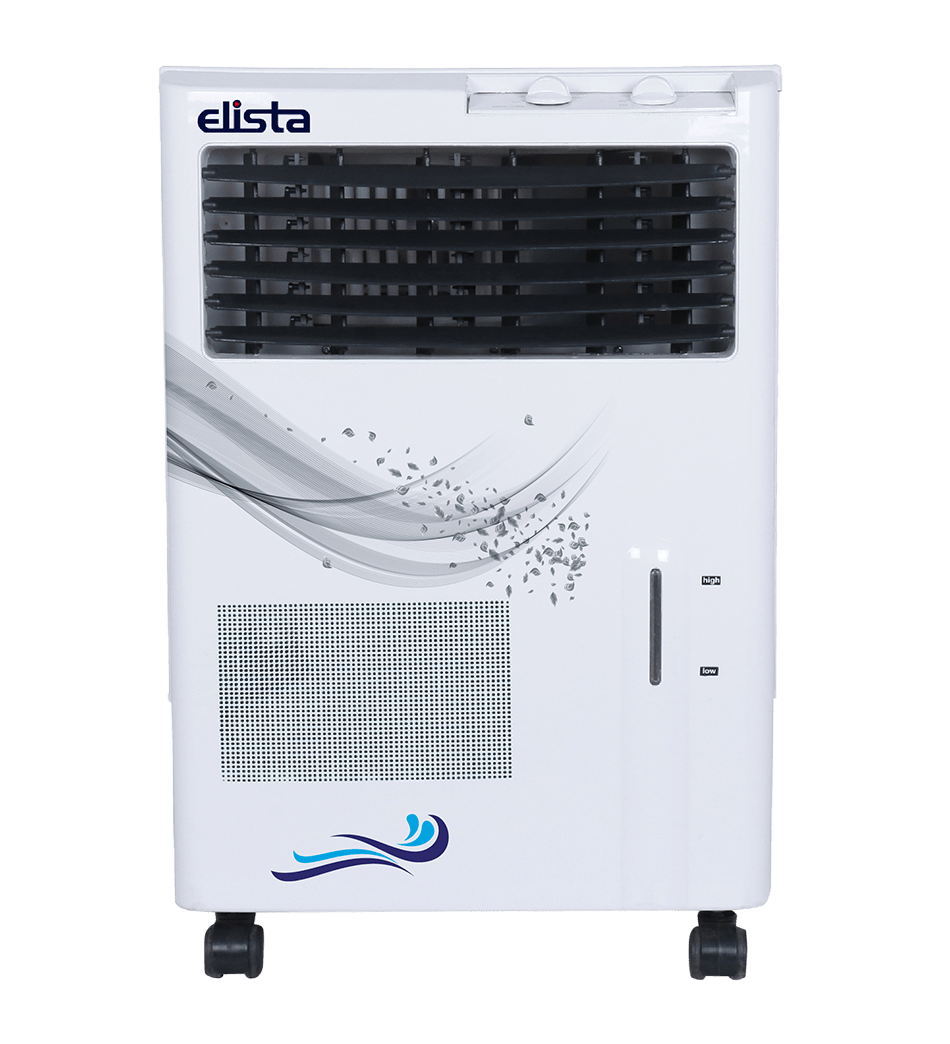
When choosing the best personal cooler for a drawing room, you’ll want to consider several factors, such as size, cooling capacity, energy efficiency, noise level, and additional features. Here’s everything you need to know to make an informed decision:
1. Size and Portability
Size: The cooler should be compact enough to fit in your drawing room without taking up too much space. Measure the area where you plan to place it to ensure a proper fit.
Portability: Look for coolers with wheels or handles if you plan to move it around frequently. Lightweight designs are easier to handle.
2. Cooling Capacity
Room Size: Consider the size of your drawing room when selecting a cooler. Personal coolers are typically designed for smaller spaces, so check the manufacturer’s recommendations for the room size.
BTU (British Thermal Units): If the cooler uses a BTU rating, match it to the size of your room. Higher BTUs mean more cooling power but also higher energy consumption.
3. Energy Efficiency
Energy Star Rating: Look for models with an Energy Star rating, which indicates they meet energy efficiency guidelines.
Power Consumption: Check the wattage and estimated energy usage. More energy-efficient coolers will save you money on your electricity bill.
4. Noise Level
Decibel Rating: If you prefer a quiet environment, check the noise level (decibels). Models with a noise level below 50 dB are considered quiet and won’t disturb conversations or relaxation in your drawing room.
5. Type of Cooler
Evaporative Coolers: These coolers use water evaporation to cool the air and are best suited for dry climates. They are energy-efficient and environmentally friendly but may increase humidity.
Air Conditioners: Personal air conditioners provide more powerful cooling and are suitable for both dry and humid climates. They are generally more expensive and consume more energy.
Thermoelectric Coolers: These are compact and quiet but are less effective for large spaces and are typically used for small, enclosed areas.
6. Additional Features
Remote Control: A remote control adds convenience, allowing you to adjust settings without leaving your seat.
Timer: A built-in timer lets you set the cooler to turn on or off at specific times, which can save energy.
Air Purification: Some coolers come with built-in air purifiers or ionizers to improve air quality in your room.
Humidity Control: For humid climates, look for a cooler with a dehumidifier function to keep the air dry.
7. Maintenance
Ease of Cleaning: Choose a cooler with removable and washable filters for easy maintenance.
Water Tank Size: For evaporative coolers, a larger water tank means less frequent refilling.
8. Aesthetics
Design: Since the cooler will be in your drawing room, consider its design and how it matches your décor. Sleek and modern designs are often preferred for living spaces.
9. Price Range
Budget: Personal coolers come in a wide range of prices. Set a budget before you start shopping and look for models that offer the best features within your price range.
Warranty: Check if the cooler comes with a warranty, which can give you peace of mind and protect your investment.
Conclusion
Choosing the best personal cooler for your drawing room involves considering your specific needs, including room size, climate, and desired features. Whether you prioritize energy efficiency, quiet operation, or additional functions like air purification, there’s a personal cooler that will fit your needs and keep your drawing room comfortable.

 Instant Approval Guest Posting Website